The packaging industry is evolving rapidly. As we approach 2026, buyers must stay informed about upcoming trends. Industry expert Dr. Mark Thompson states, "Innovation in packaging is crucial for brand success." His insight highlights the importance of adapting to changes.
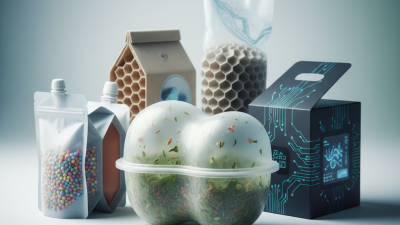
Sustainability is a pressing concern. Consumers demand eco-friendly options. Brands that embrace biodegradable materials and reduce waste will stand out. Meanwhile, smart packaging continues to gain traction. Technologies like QR codes and sensors enhance user interaction. However, integrating these innovations can be challenging for some companies.
Additionally, aesthetics play a vital role. Attractive designs can influence purchasing decisions. Yet, brands must balance design with functionality. This push for improvement raises questions about cost and feasibility. Companies need to reflect on their current practices to remain competitive in the packaging industry.
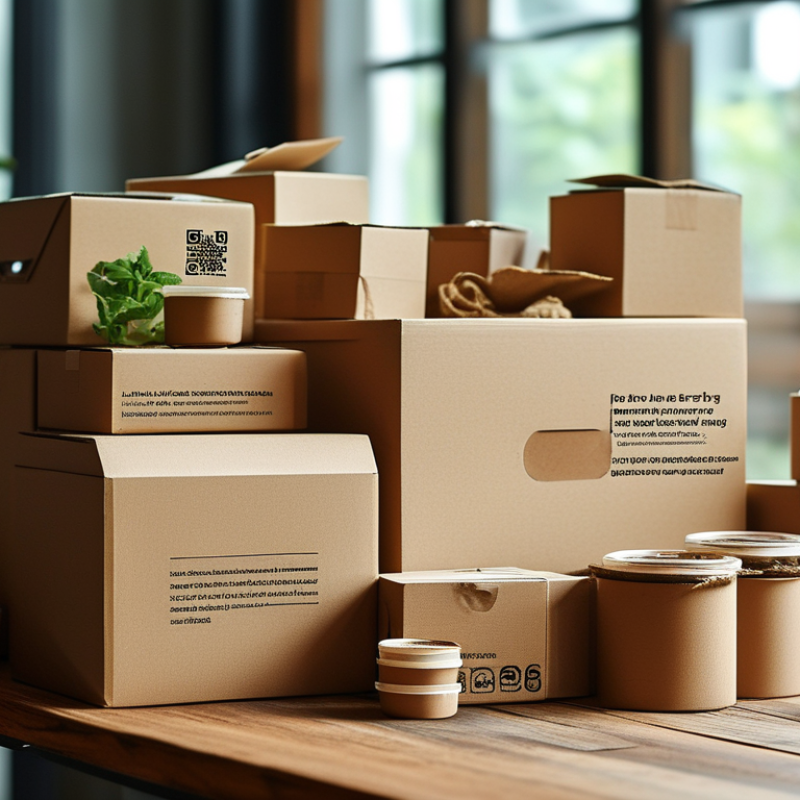
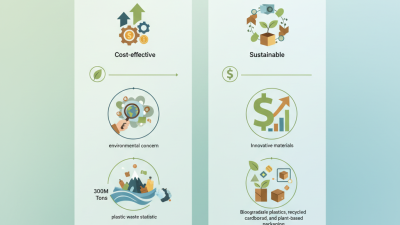
The packaging industry is poised for significant changes by 2026, particularly in sustainable materials. Environmental concerns are driving innovation. Biodegradable plastics, made from organic materials, are gaining traction. These alternatives offer hope for reducing landfill waste. Their properties allow for a sustainable approach without sacrificing quality.
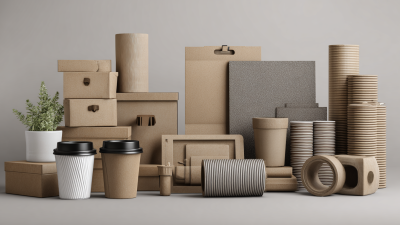
Recycled materials are becoming essential. Companies are exploring new ways to incorporate post-consumer waste into their packaging designs. This not only reduces resource consumption but also appeals to eco-conscious consumers. Brands that promote transparency about their sourcing and manufacturing processes will likely build stronger customer trust.
Choosing the right materials can be overwhelming. Evaluate the lifecycle of each option. Consider the energy required for production and disposal. Engage with suppliers on sustainability practices. Understand market preferences for eco-friendly packaging. Always seek to balance cost, functionality, and environmental impact. By addressing these aspects, businesses can contribute positively to a sustainable future.
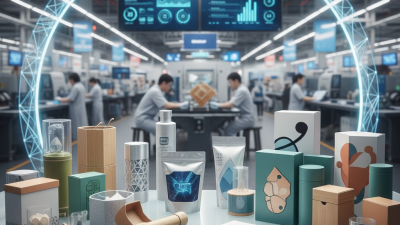
Technological innovations are transforming the packaging industry. Smart packaging is on the rise. This includes sensors that monitor product conditions. Companies seek better ways to reduce waste. Innovations in biodegradable materials contribute to sustainability. Many firms experiment with edible packaging. These developments reflect a growing awareness of environmental issues.
Artificial intelligence also plays a significant role. AI algorithms help in designing efficient packaging. They optimize material usage and minimize costs. Automation is another trend reshaping production lines. Robotics streamline processes, increasing speed and precision. However, reliance on technology raises concerns about job displacements. Balancing efficiency and human employment is crucial for the industry’s future.
Moreover, consumer preferences are evolving. Shoppers demand transparency and sustainability. Brands must adapt to these shifting expectations. While innovations offer great promise, they also pose challenges. Companies need to be attuned to both market demands and technological advancements. Continuous learning and adaptation will be key for success in the coming years.
| Trend | Description | Impact on Buyers | Forecast Year |
|---|---|---|---|
| Sustainable Packaging | Increased use of biodegradable materials and reduced plastic usage. | Potential cost increases but aligns with consumer demand for sustainability. | 2026 |
| Smart Packaging | Integration of IoT for real-time tracking and consumer engagement. | Improved product safety and customer experience. | 2026 |
| Personalized Packaging | Customization options for consumers to reflect their preferences. | Increased customer loyalty and brand engagement. | 2026 |
| Minimalist Design | Focus on simplicity and clarity in packaging design. | Cost-effective and appeals to modern aesthetics. | 2026 |
| E-commerce Packaging Solutions | Tailored packaging for online shopping environments. | Enhances delivery efficiency and reduces damages. | 2026 |
Consumer preferences are reshaping the packaging industry as we approach 2026. Sustainability remains a top priority for buyers. According to a recent report, over 75% of consumers prefer brands that use eco-friendly packaging. This trend is driven by growing environmental awareness. Recyclable materials and biodegradable options are becoming standard expectations rather than a bonus.
Design plays a crucial role in the purchase decision. Studies indicate that 65% of consumers are influenced by packaging aesthetics. Eye-catching designs and functionality can significantly boost market appeal. Additionally, brands are increasingly opting for minimalist packaging. Clear labels and fewer materials convey a sense of transparency and authenticity.
When adapting to these trends, brands should consider innovative designs. Utilizing digital printing can enhance customization. This approach connects more with consumers. Also, investing in biodegradable materials might attract a wider audience. Remember that staying informed about shifting consumer preferences is vital. Regular market research can provide insights that improve packaging strategies.
Regulatory changes in the packaging industry significantly shape standards and practices. In recent years, governments worldwide have implemented stricter guidelines. These rules often focus on sustainability and safety. As we move towards 2026, these trends will likely intensify.
New regulations emphasize recyclable materials. Many manufacturers now prioritize eco-friendly options. This shift not only meets compliance but also appeals to environmentally conscious consumers. However, adapting to these new standards can be challenging, especially for smaller companies. They may lack the resources for swift changes, facing potential penalties.
Moreover, compliance doesn't stop with materials. Packaging designs must also follow new guidelines, affecting labeling and storage. Keeping track of these evolving requirements demands constant vigilance. Companies need to invest in training and research. This ensures everyone understands the implications of regulatory changes, fostering a culture of responsibility and innovation. Disregarding these shifts may lead to unforeseen consequences, impacting both reputation and success.
E-commerce is reshaping the packaging landscape as we move towards 2026. The surge in online shopping has changed consumer expectations. People look for convenience and sustainability in every purchase. Packaging must adapt to these new demands.
Sustainable materials are gaining traction in the industry. Many consumers now prioritize eco-friendly packaging options. This shift is pushing companies to rethink their supply chains. However, achieving sustainability can present challenges. Not all materials are equally effective or affordable. Finding the right balance is crucial for companies striving to meet both environmental goals and customer satisfaction.
Additionally, the rise of customized packaging solutions is notable. Consumers enjoy personalized touches that enhance their shopping experience. Yet, customization often leads to increased costs and complexity. Companies need to rethink their design processes. Are they prepared to handle the logistics of individualized packaging? As e-commerce continues to grow, these are critical considerations for any serious player in the packaging industry.