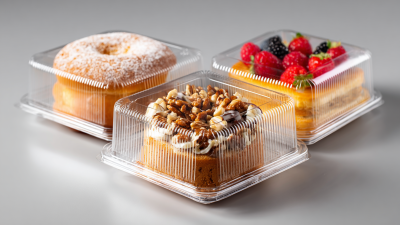
In the world of desserts, the presentation matters just as much as the taste. When it comes to pastry packaging, expert Jonathan Baker emphasizes, "The right packaging elevates the product." Consumers often judge quality by how a pastry is presented. Therefore, selecting suitable packaging is crucial for any pastry business.
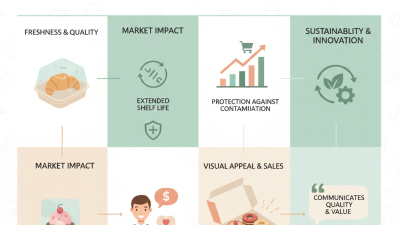
Pastry packaging serves multiple purposes: it keeps items fresh, enhances visual appeal, and provides information about the product. Impressive packaging can attract customers and create a memorable brand image. However, businesses often struggle to find the right balance between functionality and aesthetics.
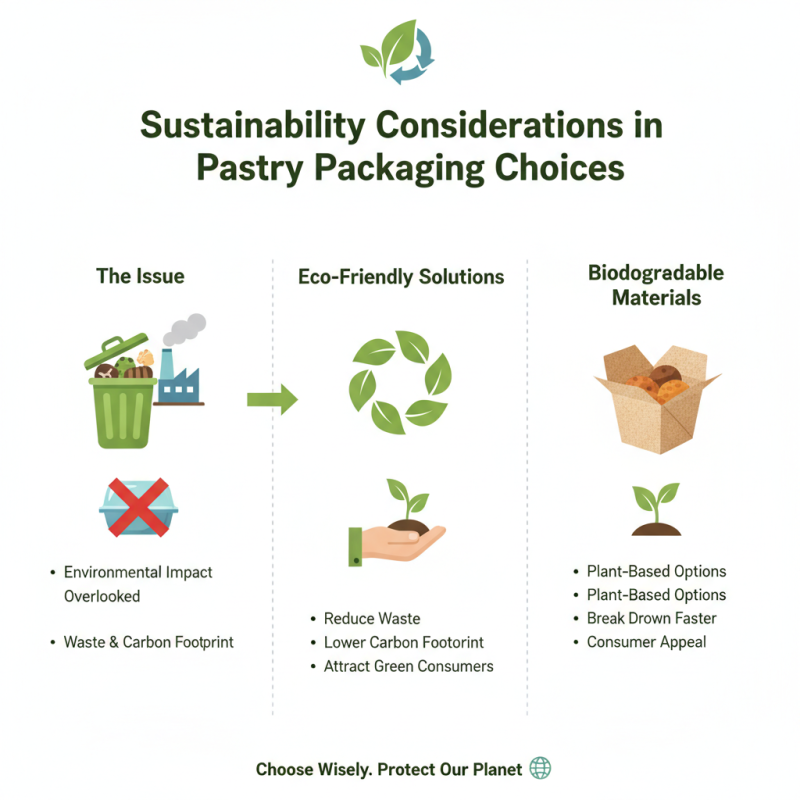
Many overlook the environmental impact of their choices. Sustainable options are increasingly popular, yet some still choose convenience over eco-friendliness. Reflecting on these aspects can help improve decision-making. Packaging is not simply a protective layer; it's an essential element in a successful pastry business.
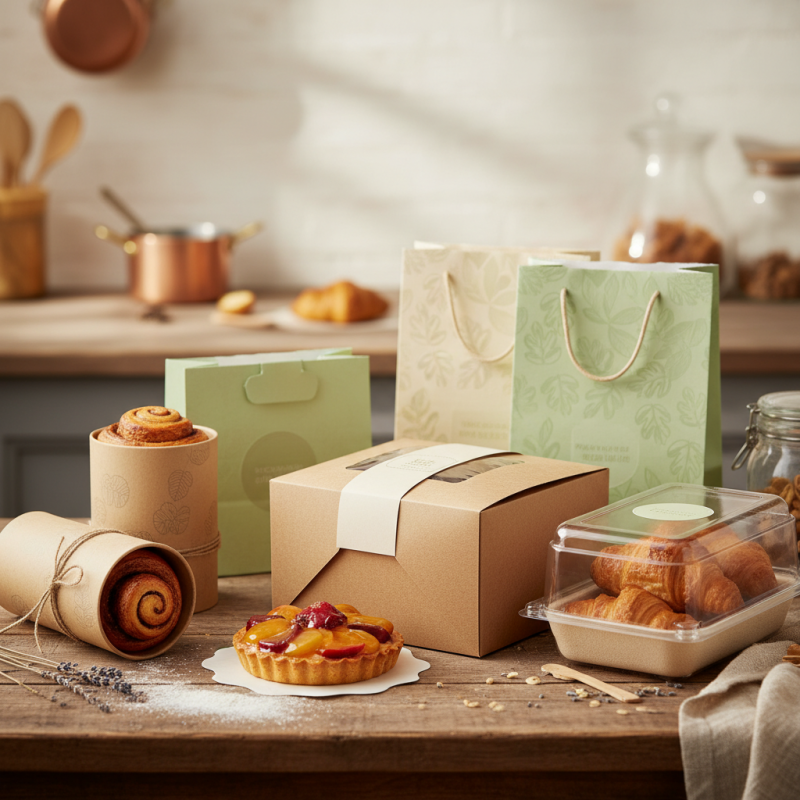
Pastry packaging plays a crucial role in the success of your business. A well-designed package preserves freshness and enhances visual appeal. According to a study by the Packaging Association, 72% of consumers judge products by their packaging. This highlights the need for effective packaging strategies.
Choosing the right materials can impact customer perception. A study from the Food Packaging Institute found that eco-friendly packaging increases purchase intent by 50%. This shift towards sustainability is not just a trend; it's a consumer expectation. Failing to adapt could lead to missed opportunities.
Tips: Focus on clarity. Your packaging should convey essential information at a glance. Ensure your design stands out while remaining functional. Remember that the right look can elevate even the simplest pastry. Explore new textures and colors to appeal to diverse tastes. Keep sustainability at the forefront of your choices—consumers appreciate conscious efforts.
When identifying pastry products, consider their unique characteristics. Fresh pastries, such as croissants and danishes, require breathability in packaging. This helps maintain texture and avoid sogginess. A recent report indicates that about 73% of consumers prefer eco-friendly packaging. This trend is significant for businesses aiming to attract environmentally conscious customers.
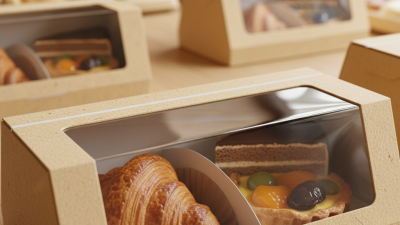
Different pastries have varying shelf lives. For instance, cream-filled pastries spoil faster than baked goods without creamy fillings. Utilize packaging that reflects perishability. For instance, clear windows in boxes can effectively showcase freshness while providing a visual cue for customers. Not all packaging options provide the same level of protection or appeal, which can lead to wasted product. Some brands often overlook this aspect, resulting in increased waste.
Moreover, consumer preferences are evolving. Approximately 68% of consumers prioritize convenience. This shift impacts design choices, such as resealable bags for on-the-go snacks. Ensure your packaging addresses this need. It's a balance of functionality and aesthetics. Regularly evaluate your packaging strategy against changing demands. Adapting to these insights will enhance customer satisfaction and improve sales performance.
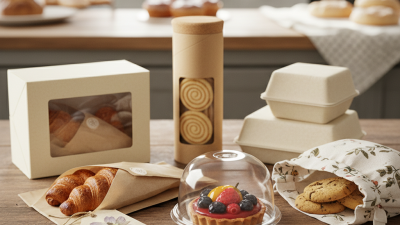
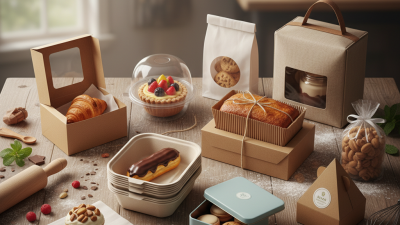
When selecting pastry packaging, the choice of material is crucial. Various options each come with unique benefits and drawbacks. For example, paper packaging is often biodegradable and offers a rustic feel. However, it may lack moisture resistance, which is vital for preserving freshness. Consider the type of pastries being packaged. Cream-filled delights require barriers that can keep moisture in and air out.
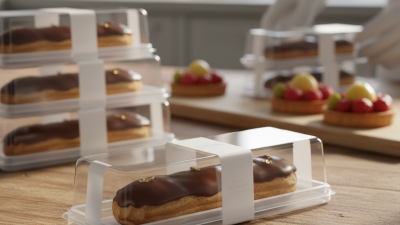
Plastic packaging can be a versatile alternative. It provides a secure seal and helps maintain the flavor and texture of baked goods. Nevertheless, eco-conscious consumers increasingly prefer sustainable options. This growing demand pushes businesses to explore eco-friendly materials. Switching to biodegradable plastic or plant-based alternatives may align with these customer values.
Metal tins offer durable protection but can be costly. They reflect a high-end image, which may appeal to a specific market segment. Consumers appreciate reusable packaging, adding value beyond the initial purchase. It’s essential to evaluate the balance between cost, aesthetics, and packaging functionality. As trends evolve, businesses must remain adaptable. Testing different materials may reveal surprising benefits or drawbacks. Each decision reflects on the brand, making careful consideration vital.
| Packaging Material | Pros | Cons | Best Use Case |
|---|---|---|---|
| Cardboard Boxes | Eco-friendly, sturdy, customizable | Can be expensive, not moisture-resistant | Bageries, gift pastries |
| Plastic Containers | Durable, moisture-resistant, reusable | Less eco-friendly, can retain heat | Retail display, takeaway |
| Metal Tins | Airtight, reusable, stylish | Higher cost, heavier than other options | Gifts, premium pastries |
| Glass Jars | Reusable, aesthetic appeal, airtight | Fragile, heavier, costs more | High-end products, special occasions |
| Cellophane Wrap | Cost-effective, visually appealing | Limited protection, can tear easily | Gift baskets, smaller items |
When selecting packaging for pastries, sustainability is crucial. Many businesses overlook the environmental impact of their choices. Eco-friendly materials help reduce waste and carbon footprints. For instance, consider biodegradable options made from plant-based materials. These not only break down faster but also appeal to environmentally conscious consumers.
Recycling is another key aspect. Packaging that can be recycled at the end of its life cycle minimizes overall waste. Look for options that clearly indicate recyclability. However, achieving a balance between aesthetics and sustainability can be challenging. Strikingly designed packaging often uses non-recyclable materials. It’s essential to weigh the visual appeal against potential environmental harm.
Invest in local suppliers who prioritize sustainable practices. This not only supports the economy but also reduces transportation emissions. Nonetheless, keep in mind that not all local options are eco-friendly. Research is vital before making decisions. Examine suppliers’ certifications and practices. This attention to detail not only enhances your brand but also builds trust with your customers.
When designing pastry packaging, visual appeal is crucial. Colors should reflect the essence of your brand. Bright colors can evoke excitement, while pastels convey elegance. Think about the emotions you want your customers to feel. Packaging should draw them in and encourage purchases.
Tips: Use high-quality images of your pastries. Showcase textures and details. Clear windows in your packaging can create an enticing view of your products. Consider using eco-friendly materials; this not only helps the environment but also attracts eco-conscious customers.
Typography is another element to consider. The right font can set the tone for your brand. Bold, modern fonts suggest innovation, while script fonts give a homemade feel. Ensure that your text is legible. Often, packaging has limited space; clarity is essential. Avoid cluttered designs.
Reflecting on branding, think about consistency. All elements of your packaging should align. This creates a cohesive identity in the eyes of consumers. Imperfections in a design can spark conversation, but too many can confuse. Sift through feedback to enhance your designs.