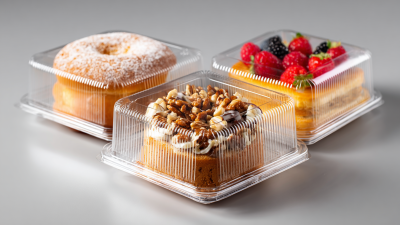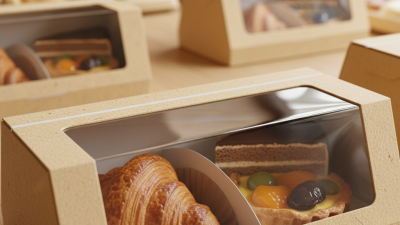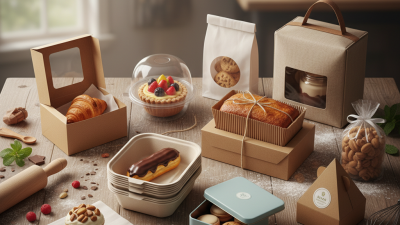
In the competitive world of baked goods, selecting the right pastry packaging is crucial. With the global demand for pastries on the rise, buyers face numerous choices. What makes one type of packaging better than another?
Quality pastry packaging not only preserves freshness but also enhances visual appeal. Attractively packaged products can catch the eye of consumers, influencing their purchasing decisions. However, balancing aesthetics with functionality is often challenging. Some buyers may prioritize sustainability, while others might focus on cost. These conflicting priorities can complicate decision-making.
Ultimately, understanding the nuances of pastry packaging is essential for global buyers. They must consider factors such as material durability, design trends, and regulatory compliance. While there is no one-size-fits-all solution, making informed choices can lead to greater success in the marketplace.
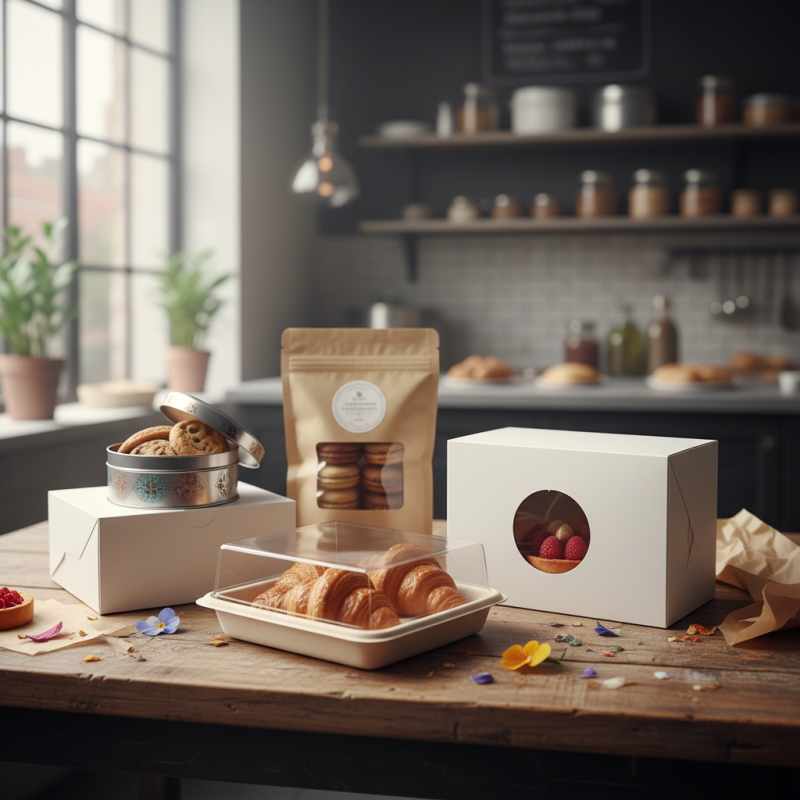
Packaging plays a crucial role in the pastry industry, especially in global markets. Good pastry packaging protects products during transport. It ensures freshness and maintains quality from bakery to customer. Effective packaging can also enhance the visual appeal, attracting more buyers. However, many brands overlook these factors, focusing solely on cost.
Sustainable materials are gaining popularity. They align with consumer preferences for eco-friendly options. Yet, not all regions have easy access to such materials. This creates a challenge for global buyers. Balancing cost, sustainability, and aesthetics is often difficult. Some companies struggle to find the right packaging that respects both their budget and environmental impact.
Designing packaging that stands out is essential. Clear branding is vital for recognition in crowded markets. However, not all designs convey the intended message. Sometimes, a beautiful package may not adequately protect the pastry inside. This is a common pitfall. Companies must reflect on their packaging choices to ensure they meet both protective and marketing goals.
| Packaging Type | Material | Sustainability | Cost (per unit) | Shelf Life |
|---|---|---|---|---|
| Rigid Boxes | Cardboard | High | $0.50 | 2 months |
| Flexible Pouches | Plastic | Medium | $0.30 | 6 months |
| Clamshell Containers | PET Plastic | Low | $0.70 | 3 months |
| Sustainably Sourced Boxes | Recycled Cardboard | Very High | $0.60 | 5 months |
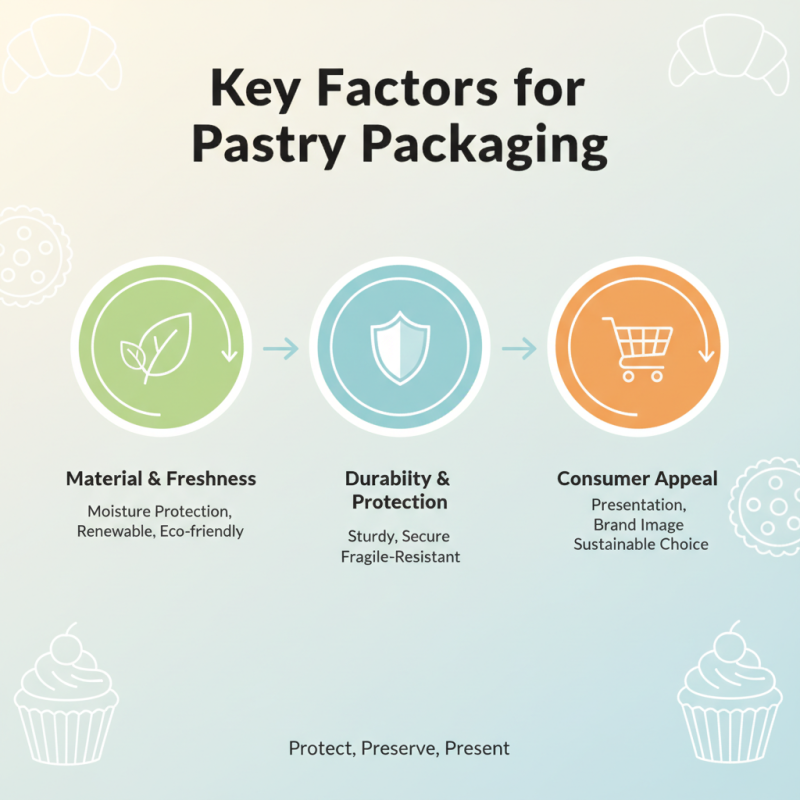
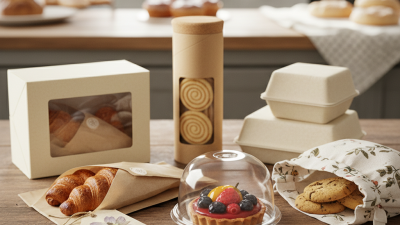
When selecting pastry packaging, several key factors should be considered. First, the material of the packaging plays a vital role. It needs to protect the pastry from moisture and keep it fresh. Renewable materials are increasingly popular. They appeal to eco-conscious consumers. However, durability is essential too. If the packaging is fragile, it won't serve its purpose.
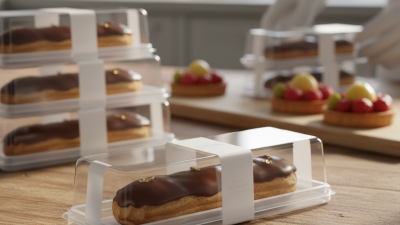
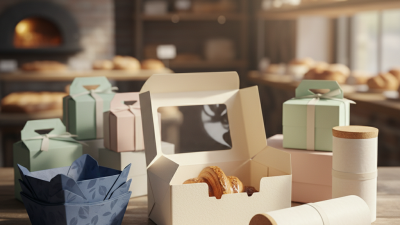
Another important aspect is design. Eye-catching visuals attract buyers. Clear windows can showcase the pastry inside. This builds trust and encourages purchases. On the other hand, overly elaborate designs may distract from the product. Thus, a balance is necessary.
Size and functionality are also crucial. Packaging should fit the pastry securely. It shouldn’t be too large or too small. Additionally, consider if it is easy to open. Convenience can enhance the customer experience. Despite these guidelines, not all packaging will meet expectations. Continuous testing and feedback are essential for improvement.
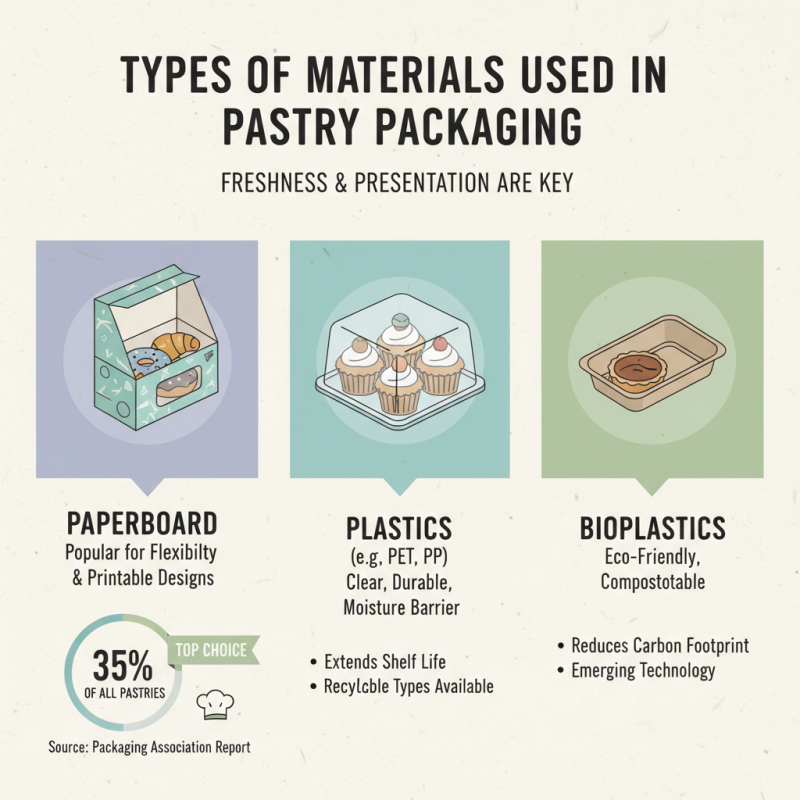
When it comes to pastry packaging, material selection is crucial for both freshness and presentation. There are several key materials commonly used in the industry today. Paperboard is popular for its flexibility and ability to print vibrant designs. A report from the Packaging Association indicates that around 35% of pastries are packaged in paperboard, making it a top choice for many bakers.
Plastic films are also widely used, especially for sealing in moisture. They provide excellent barrier properties against air and humidity. Recent studies show that nearly 40% of global pastry sales rely on plastic packaging due to its convenience and durability. However, reliance on plastic raises environmental concerns, prompting a shift towards eco-friendly alternatives. Companies may want to explore biodegradable plastic or compostable materials.
Tips: Consider using materials that enhance shelf life. This can improve the product's appeal to consumers. Moreover, incorporating transparent sections in packaging helps showcase the product, igniting interest. Reflect on the long-term impact of your material choices—blend functionality with sustainability. Look for opportunities to innovate, as consumer preferences are constantly evolving.
Sustainability in pastry packaging has gained momentum in recent years. According to a recent report, nearly 67% of consumers prioritize sustainable packaging. This shift reflects growing environmental awareness. Many global buyers are now seeking eco-friendly materials that minimize waste. Biodegradable and compostable options are becoming mainstream. These materials not only reduce environmental impact but also appeal to conscious consumers.
Tips: Consider using materials that can be easily recycled. Look for certifications that ensure eco-friendliness. This builds trust and credibility with your customers.
Another trend is the use of minimalistic designs that reduce material usage. Experts suggest that streamlined packaging significantly lowers carbon footprints. However, the challenge remains in finding the balance between aesthetics and sustainability. Some companies struggle to maintain high-quality designs without excessive waste.
Tips: Regularly review your packaging processes. Are they as efficient as they should be? Evaluate the trade-offs between cost and sustainability. This reflection can lead to better practices.
Packaging plays a crucial role in the pastry industry, influencing both aesthetics and functionality. A recent report from the European Packaging Association highlights that 58% of consumers are more likely to purchase a product due to attractive packaging. This insight reflects the rapid evolution in packaging design, where brands are striving to combine visual appeal with practicality.
Case studies from diverse markets illustrate successful strategies. In Japan, eco-friendly materials have gained traction, appealing to environmentally conscious consumers. Over 70% of these buyers prefer sustainable packaging, according to a survey by EcoPack Insights. This trend emphasizes the need for innovation. However, not all brands excel in balancing sustainability with durability. Some find that biodegradable options may compromise the freshness of their pastries.
In Brazil, vibrant graphics and local cultural elements have resonated well with buyers. A study from the Brazilian Institute of Market Research shows that 65% of consumers feel more connected to products that reflect their heritage. Yet, striking the right balance remains vital. Some brands struggle with consistent quality while trying to keep up with design trends. It prompts a deeper reflection on the relationship between form and function in pastry packaging.